The border runs us through
A brief note from the Sonoran Desert

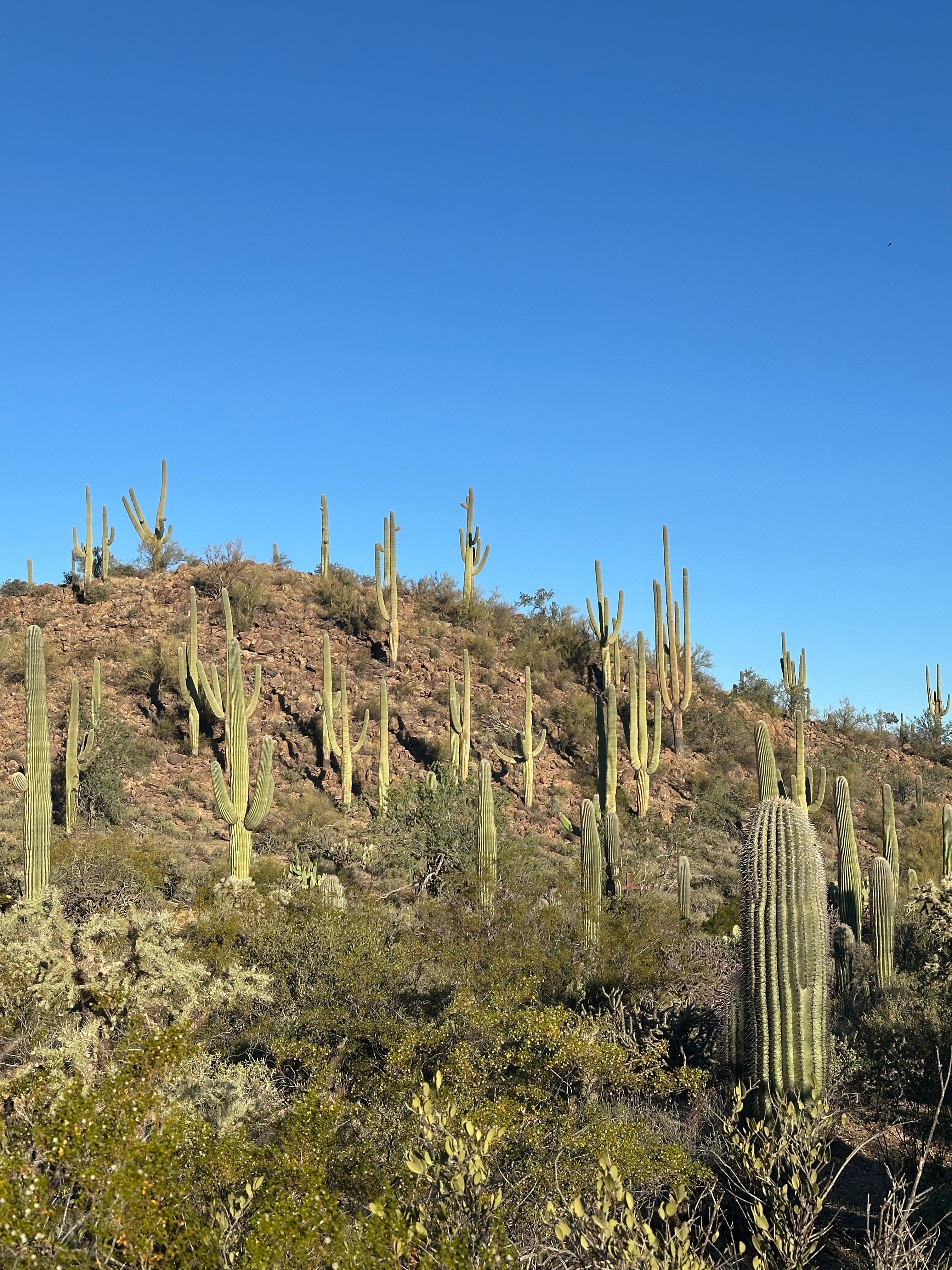
For the past week, I’ve been in the Tucson Mountains for a seminar on writing and migration. I feel fortunate to be in such a beautiful place alongside some truly remarkable people—and among so many lovely birds. It’s rare to be given time to work on creative projects, space to breathe free (or at least freer) from daily pressures, with regular inspiration from fresh landscapes and conversations.
Throughout our conversations, the Sonoran Desert has become a vital interlocutor. We’ve become indebted to Tohono O’odham poet Ofelia Zepeda for guiding our attention to the land and language of this place. Her slight collection Where Clouds Are Formed is tremendous and so hospitable.
Tucson artist Álvaro Enciso extended and developed this theme over an afternoon seminar and dinner. My friend Isaac, who convened this week’s workshop, has written at length about Enciso’s practice of planting crosses in the desert at the sites where migrants’ remains have been found. Enciso calls this memorial project an art installation in the gallery of the Sonoran Desert. He will not complete the project in his lifetime; the U.S. government has weaponized the austere conditions of the desert environment and each month the list of the dead grows longer. With this reality before us, our rich and wide-ranging conversation explored artistic form, biography, and moral witness in the face of organized death.
Midway through the week, I learned from Austin Kocher that federal immigration police had claimed another victim. Emmanuel Damas was the 48th person documented to have been killed under the new regime by immigration police and carceral immigration policies. I’ve been keeping a personal list of their names, even as I have noted the figure is far from a complete count of the deaths for which ICE and the administration are responsible. (The number has since climbed to 49 with report of the death of Pejman Karshenas Najafabadi, originally from Iran.)
Realizing Mr. Damas had died not far from me, I took a moment to honor him from this place. I’ll share that fragment of thought from that note, below.
As the moon washed over our first evening in the mountains above Tucson, just beyond the horizon Emmanuel Damas died of a toothache. This is not a metaphor. Two weeks before, just north of the diminutive and dun Tortolita Mountains, Mr. Damas had asked his jailors at the Florence detention center for relief. The Haitian man was at their mercy, having been violently removed months prior from the care of his community in Boston and left with little of his own agency intact. His pleas went unheeded; ICE’s brutal surgeons were busy performing other social extractions.
On Monday, as we, oblivious, streamed across the country towards him, bacteria coursed into Emmanuel’s bloodstream. Not satisfied merely to torture him, ICE agonized both the English language and the truth in their statement after his death by sepsis. “This is the best healthcare than many aliens have received in their entire lives,” they declared.
If only we knew. It was a toothache. There was nothing to be done.
Like the earth and our own selves, our social politic is a body. Each death, each detention, each disappearance—whether by negligence or will—violates and diminishes us. Living in the wake of these accumulated events will take years of care and adjustments to a body with missing members, marked by the memory of traumatic loss.
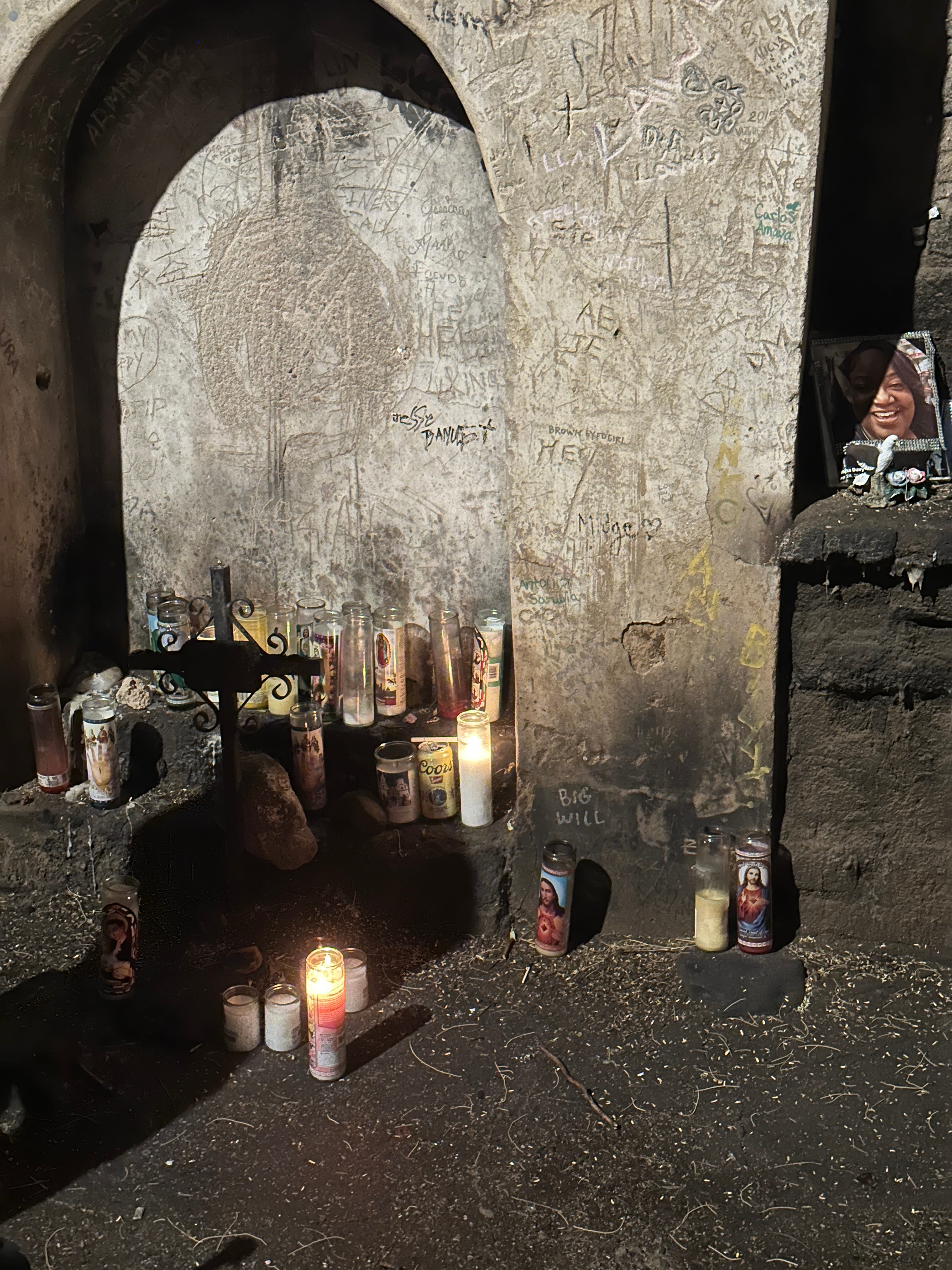
Following the news of Damas’ death, many of us from the seminar joined a vigil where we remembered him and all those who have died in the borderlands. Isabel Garcia, founder of the Coalición de Derechos Humanos (Human Rights Coalition) convened the vigil. She told us they have been gathering for more than 40 years to honor the people our country has killed by policy. Evoking the image from Gloria Anzaldúa I explore in this recent essay, Garcia reminded us we stood at the site of a wound. “Borders should not be wounds,” she said. “They should be places of creativity, places of beauty.”
Oh, Lars--heartbreak and grief and rage course through me--and gratitude for your writing.